
Incident Reports & ICAM Investigations
Clear, structured reporting when something goes wrong — from simple incidents to more serious situations that require a proper investigation.
When something happens on site
Something happens on site — an injury, a near miss, damage, or an event that needs to be reported.
Sometimes it’s straightforward. Other times, you’re asked for a formal report, more detail, or a proper investigation.
That’s when things shift. It’s no longer just about writing something up — it’s about how the situation is documented, how decisions are explained, and whether it reflects what actually happened.
What’s changed
Across the industry, there’s increasing pressure on how incidents are investigated — not just recorded.
Insurers, clients, and regulators are asking deeper questions:
How was the incident assessed
What contributed to it
What controls were in place
What has changed since
It’s no longer just about the report — it’s about the method behind it and whether it stands up if it’s reviewed.
If you want a second set of eyes on it, give us a shout — happy to help.
For straightforward incidents
For smaller incidents, the focus is on capturing what happened clearly and making sure it’s recorded properly.
That includes:
What occurred
Who was involved
What controls were in place
What actions were taken
If you’re comfortable handling that yourself, a simple structure or template can be enough — as long as it reflects what actually happened and is completed properly.
When it needs a proper investigation
Some incidents need more than a basic report — especially when:
There’s an injury or high potential outcome
Multiple parties are involved
The situation isn’t clear
You’ve been asked for a formal investigation
This is where structure matters.
A proper investigation looks at what happened, but more importantly:
Why it happened
What contributed to it
How controls were actually working
What needs to change
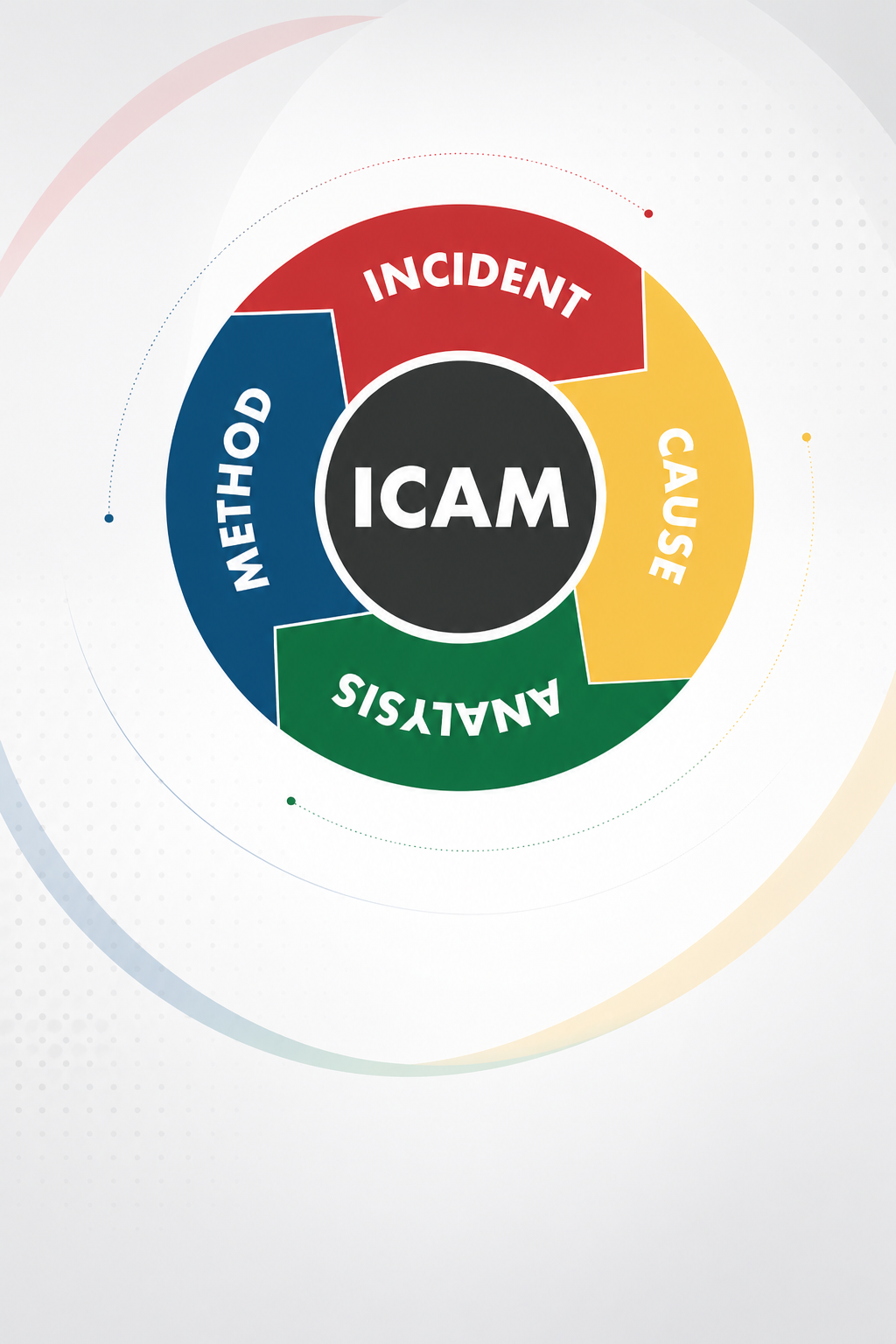
This is where we apply structured investigation methods, including ICAM principles, to break things down properly so the findings are clear, consistent, and defensible.
How we approach it
We don’t jump to conclusions or assign blame.
We focus on understanding the full picture — how the work was planned, how it was carried out, and what factors contributed to the outcome.
That allows the report to reflect what actually happened on site, not just a simplified version of it.
And when it’s structured properly, it gives you something you can stand behind — whether it’s reviewed internally, by a client, or by others involved in the process.
It usually comes back to setup
Most of the time, incidents trace back to how things were set up in the first place — planning, documentation, and how systems are being followed on site.
That’s why having your SWMS and Safety Management Plan properly structured and working day to day makes a difference — not just for compliance, but for how situations are handled if something goes wrong.
Need help with a report or investigation?
We can take a quick look at what’s happened and point you in the right direction — whether that’s finalising a report, structuring an investigation, or stepping in to handle it properly.
No pressure — just a practical conversation.